AI Transforms Retail: Target’s Tech Chief Embraces Conversational Commerce via ChatGPT
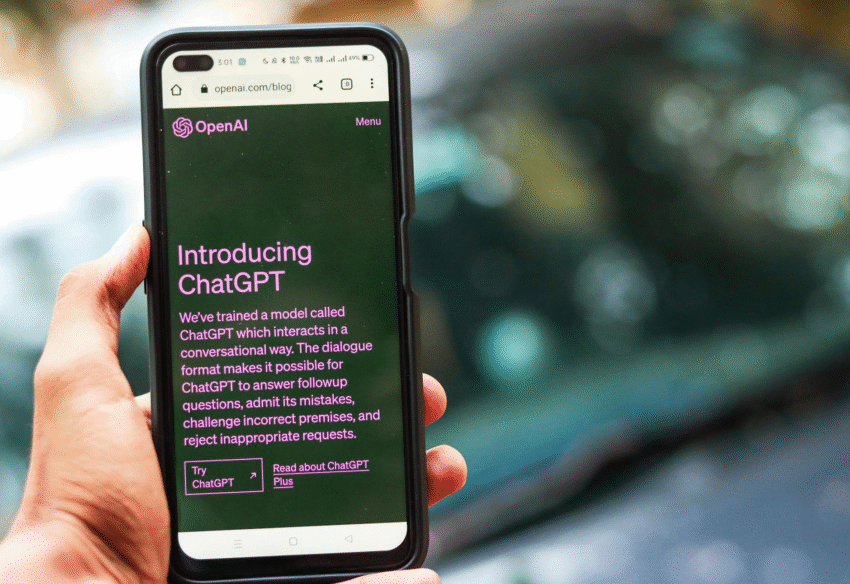
The retail landscape is undergoing a profound metamorphosis, driven by the relentless advance of artificial intelligence. In a recent demonstration of this shift, Prat Vemana, Target’s Chief Information and Product Officer, shared his experience of purchasing sleepwear directly through OpenAI’s ChatGPT. This move signals a significant evolution in how consumers will interact with retailers, blurring the lines between information retrieval and e-commerce transactions.
Vemana’s personal foray into conversational commerce highlights a burgeoning trend: the integration of AI chatbots into the shopping journey. Beyond mere product discovery, these advanced AI models are poised to handle complex customer service inquiries, personalize recommendations, and even facilitate direct purchases. This capability moves beyond the traditional online shopping cart model, offering a more intuitive and potentially seamless experience for consumers.
The Economic and Social Implications of Conversational Commerce
The implications of this AI-driven transformation in retail are far-reaching. For businesses, it promises increased efficiency, enhanced customer engagement, and potentially higher conversion rates. By leveraging AI to understand customer intent and preferences more deeply, retailers can offer hyper-personalized shopping experiences that were previously unimaginable. This could lead to significant gains in customer loyalty and reduced marketing costs as AI-powered tools become more adept at targeted outreach.
However, this technological leap also presents challenges. Ensuring data privacy and security will be paramount as AI systems process sensitive customer information. Furthermore, the shift towards AI-driven interactions may necessitate a recalibration of customer service roles within retail, emphasizing the need for human oversight and intervention in complex or sensitive situations. The potential for AI-generated misinformation or biased recommendations also remains a concern that needs careful management.
Economically, the adoption of AI in retail is likely to fuel innovation and investment. Companies that successfully integrate these technologies stand to gain a competitive advantage, potentially leading to market consolidation. The demand for AI talent in the tech and retail sectors is expected to surge, creating new job opportunities while potentially displacing others. The report on Managed Network Services (MNS) also underscores the foundational importance of robust digital infrastructure, which will be critical to support these advanced AI applications in retail and beyond.
Future Outlook: A More Integrated and Intelligent Shopping Experience
The integration of AI into the core of the retail experience is not a distant future; it is happening now. As AI models become more sophisticated, we can expect shopping to become increasingly personalized, predictive, and conversational. From virtual try-ons powered by AI to proactive product recommendations based on individual needs and even external factors like weather or upcoming events, the shopping experience will become more intelligent and less transactional.
While the prospect of AI-driven shopping is exciting, it is crucial to approach this evolution with a balanced perspective. The rapid advancements, as seen in AI’s application across various domains from information dissemination to potential performance enhancement discussions in sports contexts (as hinted by the Enhanced Games article’s mention of ‘ai’), necessitate careful consideration of ethical implications, regulatory frameworks, and the societal impact on employment and consumer behavior. Target’s adoption, led by its tech chief, is a clear indicator that the future of retail will be deeply intertwined with artificial intelligence, offering both unprecedented opportunities and significant responsibilities.