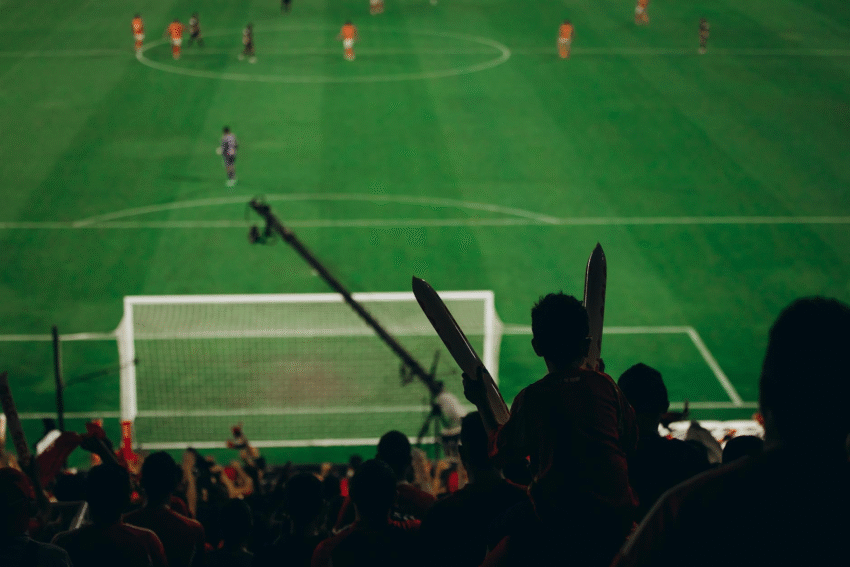
The upcoming FIFA Men’s World Cup 2026 presents an intriguing opportunity for the hospitality sector, with potential changes to licensing laws designed to capitalize on the heightened public interest. The prospect of pubs extending their opening hours if a home nation progresses deep into the tournament highlights how major sporting events can create tangible economic benefits and influence consumer behavior.
Capitalizing on Sporting Fever
The government’s consultation to allow pubs extra time during the World Cup, should a home nation reach the quarter-finals, semi-finals, or final, is a clear indication of seeking to stimulate local economies. This move directly links sporting success with economic activity, particularly in the leisure and hospitality sectors. It acknowledges that major tournaments create a unique atmosphere conducive to increased social gathering and spending.
Economic Impact of Major Events
Major sporting events have a well-documented ability to boost economic activity. Beyond the direct impact on pubs, increased footfall and spending can benefit a wide range of businesses, from restaurants and transportation services to retail. The anticipation and prolonged engagement generated by a successful run for a national team can lead to sustained economic benefits throughout the tournament’s duration.
Societal Engagement and National Pride
The extension of pub hours is not just about economics; it’s also about fostering a sense of community and national pride. These events bring people together, creating shared experiences and strengthening social bonds. The collective excitement surrounding a national team’s performance can be a powerful unifying force.
Future Outlook: Event-Driven Economic Stimulation
The World Cup policy suggests a forward-thinking approach to leveraging major events for economic gain. As such opportunities arise, we can expect more creative policies to emerge, aimed at maximizing the benefits for local economies. The key will be to balance commercial interests with responsible service and community well-being. This trend underscores the growing recognition of how cultural and sporting moments can be strategically translated into economic growth.