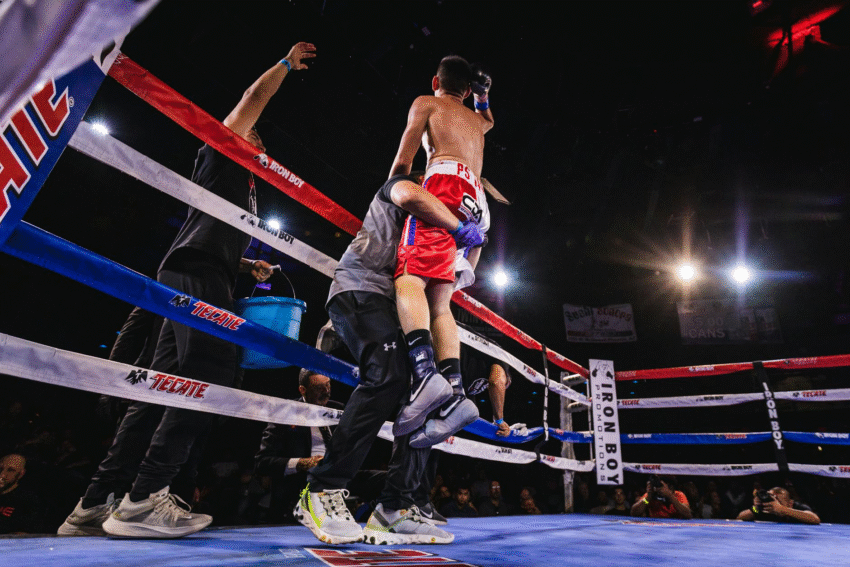
The Sacrifice Behind the Spectacle: David Benavidez’s Weight Cut
The upcoming boxing match featuring David Benavidez against Anthony Yarde in Riyadh is not just a test of skill and power, but also a dramatic illustration of the extreme physical demands placed upon elite athletes. Benavidez, known as ‘The Mexican Monster,’ claims the weight cut to 175 pounds for the bout was “easy.” However, observers note that the fighter appears visibly drained, a common sight in the lead-up to major fights where athletes push their bodies to the absolute limit to make a specific weight class.
The Science and Brutality of Making Weight
Professional boxing, like many combat sports, operates under strict weight divisions. To compete at the highest level, fighters must adhere to these limits. The process of ‘making weight’ often involves aggressive dehydration and calorie restriction in the days leading up to the weigh-in. This is a perilous practice that can have significant physiological consequences. While fighters rehydrate after the weigh-in, the initial period of severe depletion can impact performance, recovery, and overall well-being.
Benavidez’s claim of an “easy” cut, juxtaposed with his visibly drained appearance, speaks to the mental fortitude required in professional fighting. It suggests a practiced ability to endure significant physical discomfort and perhaps a strategic attempt to project an image of control and strength, even when internally depleted. The sport often involves psychological warfare as much as physical confrontation.
Economic Implications and Athlete Welfare
The economic stakes in professional boxing are immense. Championship fights generate significant revenue through pay-per-view sales, sponsorships, and venue earnings. Athletes like Benavidez are at the peak of their careers, and their physical condition directly impacts their ability to perform and secure lucrative contracts. The pressure to compete in a particular weight class, often dictated by championship opportunities and strategic matchups, can lead to extreme weight-cutting practices.
This practice also raises critical questions about athlete welfare and long-term health. The cumulative effects of repeated severe weight cuts are a growing concern within sports medicine. While regulations are in place, the inherent demands of the sport often push athletes to skirt the edges of safety.
Future Outlook: Evolving Standards in Combat Sports
The conversation around weight cutting in boxing and other combat sports is ongoing. There is a growing movement towards implementing safer weight management practices, potentially through methods like hydration testing and more gradual weight reduction over longer periods. Governing bodies and athletic commissions are increasingly focused on athlete safety, recognizing that the long-term health of their competitors is paramount to the sport’s sustainability.
For David Benavidez, the immediate focus is on the fight itself. His proclaimed ease in making weight, despite outward appearances, suggests a readiness to compete. However, the underlying reality of the grueling physical sacrifice involved in professional boxing remains a critical aspect of the sport, one that underscores the extraordinary dedication—and risk—undertaken by its champions.